






Meditazione settimanale 1: Affrontare la resistenza


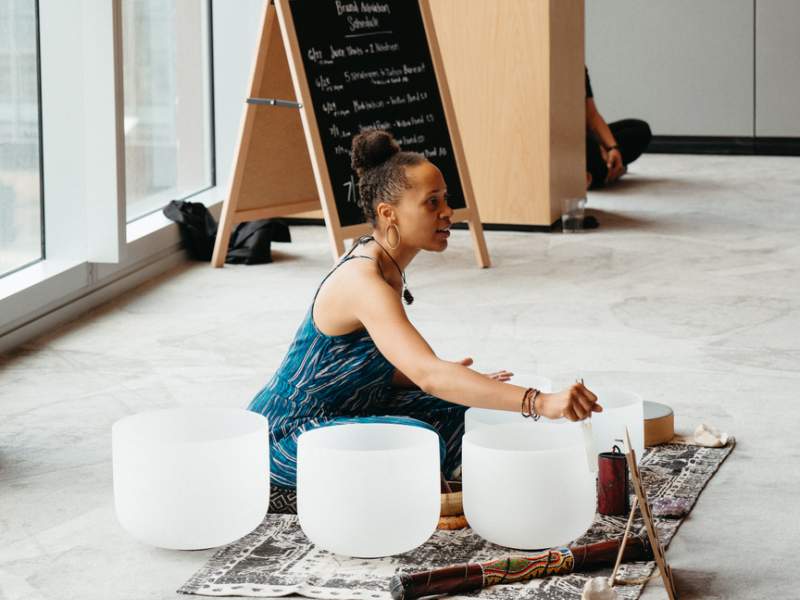
Tiratemi fuori di qui. Ricordo distintamente la sensazione di leggero panico che mi invase la prima sera del mio corso di formazione per insegnanti di yoga quando - con poca preparazione - ci fu chiesto di meditare per trenta minuti. Trenta. minuti. Così, su due piedi. La mia mente ha iniziato a correre. Come avrei fatto a stare seduta per trenta strazianti minuti senza muovermi? A cosa avrei pensato? Come avrei gestito la noia? Se non fosse stato per gli altri cinquanta studenti seduti intorno a me, mi sarei dimenata per uscire da lì. È incredibile quello che si può sopportare con un po' di pressione dei compagni.
Prima di iniziare il corso, poche delle persone che mi conoscevano meglio avrebbero descritto il mio cervello come "zen". Sono arrivata al corso per insegnanti con un corpo pronto per lo yoga, ma non con una mente pronta per la quiete. Ho iniziato temendo le sessioni quotidiane (due volte al giorno, per 30-45 minuti ciascuna), ma presto questo si è trasformato in intimidazione e poi in sfida. Non sapevo mai bene come sarebbero andate le cose ogni volta che mi sedevo. Ma la chiave era che ci provavo. Ogni giorno, due volte al giorno, per un mese, ho provato.
La meditazione, a quanto pare, è una questione di perseveranza. Un piccolo sforzo si è trasformato in una pratica profondamente gratificante: ho imparato che gli ostacoli fanno parte dell'esperienza, che non c'è modo di sbagliare, che la quiete è l'opposto della noia e, all ho sentito di avere finalmente sotto controllo il mio caos mentale. Quando si tratta dei benefici della meditazione, però, non dovete credermi sulla parola. Dagli antichi buddisti agli spiritualisti new age, dalla psicologia popolare alle scienze manageriali, la meditazione e la consapevolezza sono considerate la chiave d'oro per il benessere. I benefici della meditazione non sono un segreto.
Esistono numerose ricerche sui benefici mentali, emotivi e persino fisici della meditazione regolare. Tuttavia, il vero impatto si comprende meglio attraverso l'esperienza: quando ci si prende qualche momento per radicarsi saldamente nel presente, accade qualcosa di misterioso e potente. Allora perché non meditare? In teoria, la meditazione può sembrare piuttosto semplice. Sedersi. Respirare. Essere. In pratica, però, può essere tutt'altro che semplice. Impegni frenetici, ansia e una mente che corre possono rendere impossibile l'idea di stare seduti immobili. Nonostante le infinite tecniche e filosofie a nostra disposizione, ho incontrato molti amici che si sono sentiti sopraffatti da all ciò e hanno avuto bisogno di un piccolo aiuto per iniziare. Iniziare qualsiasi pratica richiede alcuni piccoli passi ponderati e questa serie è stata pensata per aiutare a compierne alcuni verso l'abitudine di una pratica meditativa regolare.
SETTIMANA 1: SUPERARE LE RESISTENZE
Nonostante mi dedichi allo yoga da oltre un decennio, ci sono momenti (anche mesi) in cui il mio tappetino è l'ultimo posto al mondo in cui vorrei trovarmi. A volte ci ritroviamo a resistere mentalmente, fisicamente o emotivamente alle cose che ci fanno sentire meglio. Questa è la parte complicata delle pratiche che durano tutta la vita. La forza di resistenza che sembra provenire dall'interno è scoraggiante e si può essere tentati di non affrontarla a testa alta. Ma in realtà non è una cosa statica, è qualcosa di fugace che svanisce se la consideriamo come qualcosa di superabile. Dobbiamo pensare alla resistenza come a un muscolo. Quando scegliamo di non affrontarla, anche in modi apparentemente piccoli o insignificanti, essa diventa più forte. La chiave è fare un piccolo sforzo, qualsiasi sforzo, per tenerla sotto controllo. Quando non riesco a immaginarmi mentre faccio un'intera lezione di yoga, mi impegno a fare anche solo 5 minuti di stretching profondo. Spesso all iniziare per affrontare la propria resistenza. L'obiettivo di meditazione di questa settimana è giocare con il nostro potere di superare la resistenza, allenare il muscolo mentale e vedere se riesci a creare un po' di spazio per seminare una nuova abitudine.
Questa settimana, all devi fare è trovare cinque minuti al giorno per sederti in silenzio e respirare profondamente. Il modo più semplice per farlo è alla stessa ora ogni giorno. Non devi preoccuparti di come sei seduto o di dove ti trovi. Basta impostare un timer, chiudere gli occhi e respirare. Se cinque minuti ti sembrano impossibili, fallo per tre minuti. Se tre minuti ti sembrano troppo difficili, fallo per un minuto. Qualunque cosa tu scelga, impegnati a farlo. Facci sapere come sta andando e non dimentichi di tornare la prossima settimana per un altro piccolo passo verso la costruzione di un'ottima pratica di meditazione.
Altre storie che pensiamo vi piaceranno

SOFI TUKKER parla di stile, viaggi e di come lasciarsi andare

In sintonia con la natura: alla scoperta della foresta con Oda