





醜い果実」を買う:ニューヨーク気候ウィークから学んだこと
公開日: 9月26,2017
シェアする


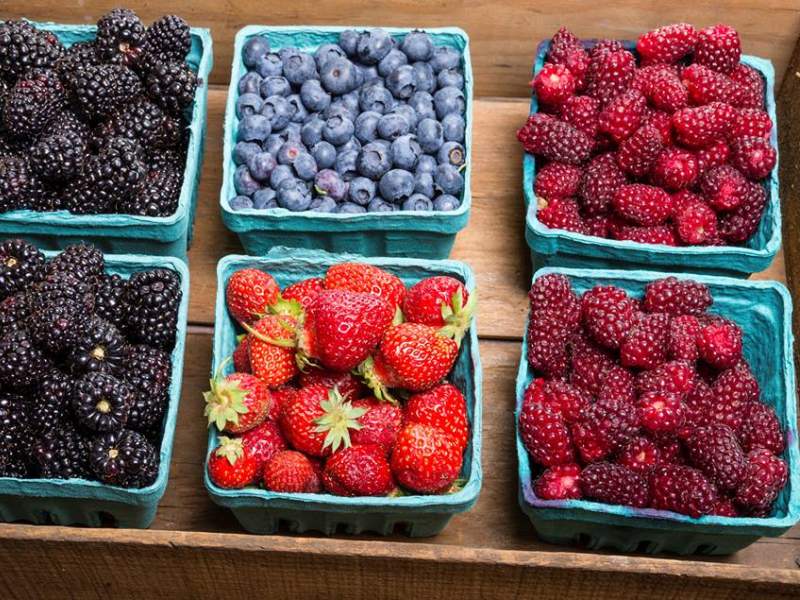
醜い果物や野菜を買う
ニューヨークでは先週、クライメート・ウィークが開催され、大忙しだった。毎年恒例のこのイベントには、企業、非営利団体、政府からグローバル・リーダーが集まり、気候変動への取り組みを推進し、クリーンで包括的な世界経済を目指している。
この1週間を通して、私たちは幅広い議論に参加する機会を得た。低炭素経済を促進するための技術革新の促進から、食糧政策の見直し、環境にプラスの影響を与える解決策を生み出す官民パートナーシップの構築まで。
我々が直面している課題は重大だが、絶対に解決可能であることを忘れてはならない。ホテル 1 Hotelsでは、影響を与えるために毎日できることが必ずあると信じています。何から始めればいいのでしょうか?大きな変化は、私たち一人ひとりが食事で小さな変化を起こすことから始まります。
驚くべき事実:生産されるall と野菜のほぼ半分が廃棄されている。
食品ロスと廃棄は生物多様性の喪失や温室効果ガス排出量の増加に大きく寄与し、世界経済に年間約9400億ドルの損失をもたらしている。2 これは単なる食料の問題にとどまらず、資源の浪費でもある——レタスの1株を作るのに必要なall を考えてみよう——土地、種子、植え付け、水やりと栄養、収穫、輸送など。 さらに、世界で飢餓に苦しむ約8億人に対し、私たちが浪費する量は、その全員を養うのに十分な量を2倍以上も超えています。
あなたができることは以下の通りだ:
- 必要なものを買い、できるだけ地元で買うtry 。
- 残った残飯は別の料理に使ったり、冷凍してスムージーやスープに混ぜたり、堆肥にしたりする。
- 地元のフードバンクに寄付する。
- レストランに出かけたら、残り物を持ち帰るように頼む。
- 職場に食堂やカフェテリアがある場合は、トレイの使用をtry 。研究によると、食品廃棄物の削減に効果があることが示されています。
- リンゴやオレンジは少し傷があったほうがおいしい。
醜いことは美しく、世界にとって良いことなのだ。
その他のストーリー
伝統に根ざしたレシピ:食、家族、そして社会への還元
「ヒスパニック・ヘリテージ・マンス」を記念して、「1 Hotel 」(West Hollywood )のエグゼクティブ・スーシェフ、ヒューゴ・ペレス氏が……と提携し、

「Paws for Thought」:ペットケアにも「クリーンビューティー」の基準が必要とされる理由
「Lil Luv Dog」の創設者であるカーラ・サンタナ=レトとステファニー・スガナミが、クリーンなペットケアへの取り組みについて語ります……

SOFI TUKKERが語る、スタイル、旅、そして手放すこと
Austinの最大規模の音楽フェスティバルを控え、SOFI TUKKERがAustinの熱狂的な観客や、ファッションについて語った……

