





En kreativ rejse gennem 1 Hotel Tokyo
Fra Oya-sten og levende grønne planter til subtile hentydninger til japanske haver – mød designerne bag 1 Hotel Tokyo opdag, hvordan natur, håndværk og bæredygtighed skaber et fredfyldt fristed højt over byen.


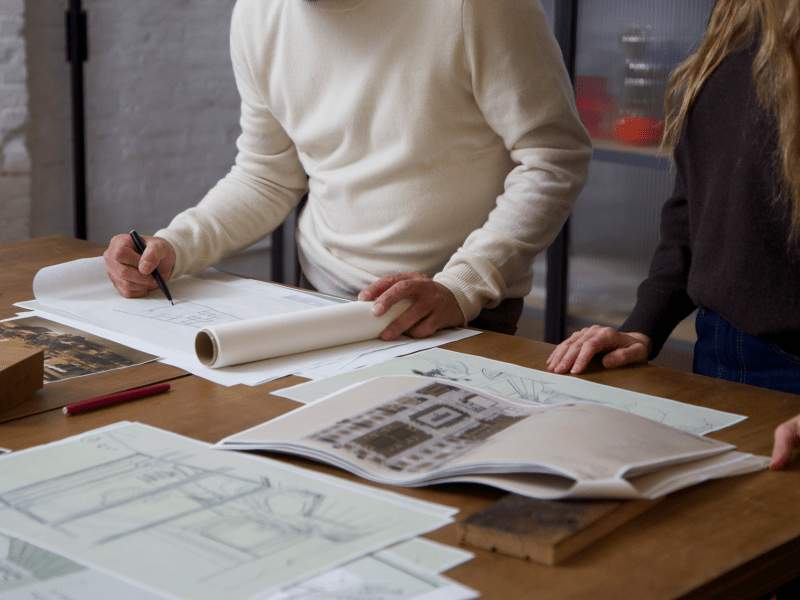
I et af Tokyomest dynamiske kvarterer udfolder sig en mere rolig verden, så snart gæsterne træder ind 1 Hotel Tokyo. Inspireret af japanske landskaber, traditionelt håndværk og wabi-sabi-filosofien skaber hotellets design en lagdelt oplevelse, hvor naturen og byen eksisterer i en gennemtænkt balance. Omgivet af udsigten til Tokyo og de kejserlige haver føles rummet både forbundet med byens energi og blidt indhyllet i ro.
Hotellet er skabt gennem et tæt samarbejde mellem 1 Hotels og det Brooklyn-baserede arkitektfirma CRÈME, ledet af grundlæggeren Jun Aizaki. Aizaki er født i Japan og opvokset i Tokyo New York, og han bringer et tværkulturelt perspektiv til design af hotelbranchen, hvor han forener japanske æstetiske traditioner med en moderne global sensibilitet.
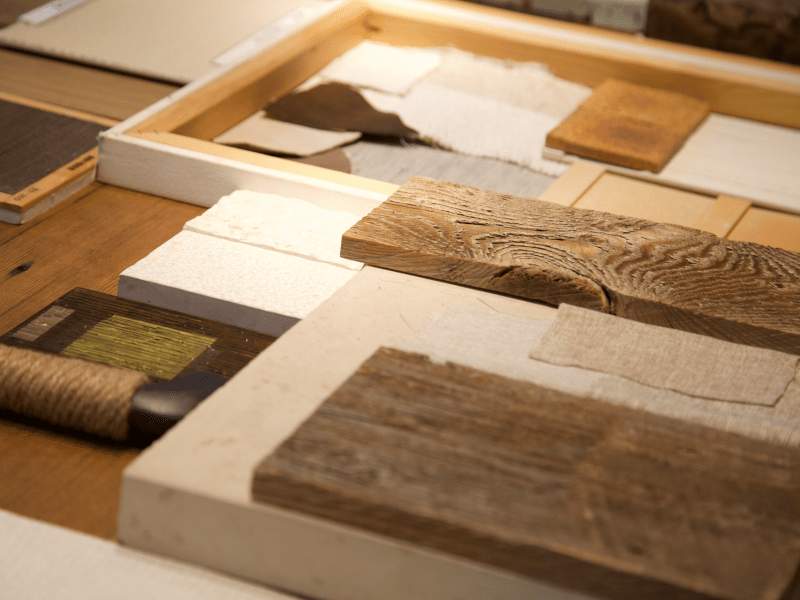
Naturlige materialer og rolige teksturer præger oplevelsen i hele hotellet. Oya-sten fra Tochigi, overflader inspireret af japanske haver og elementer, der afspejler skovlandskaber, all naturens subtile intelligens. Resultatet er et rum, der føles både tydeligt japansk og umiskendeligt 1 Hotels, hvor skønhed og bæredygtighed eksisterer side om side, og hvor selv de mindste detaljer opfordrer gæsterne til at sænke tempoet, trække vejret dybt og genfinde roen.
Vi talte med Jun Aizaki, grundlægger af CRÈME, og Kerry Murphy, vicepræsident for design hos Starwood Hotels, om inspirationen bag projektet, balancen mellem naturen og bylivet, og hvordan bæredygtighed og håndværk har præget designet af 1 Hotel Tokyo.
Bag designet med Kerry Murphy, vicepræsident for design hos Starwood Hotels & Resorts
1 Hotels et stærkt designudtryk med rødder i naturen. Hvordan tilpassede du denne filosofi specifikt til Tokyo du sikrede, at hotellet stadig føles tæt forbundet med dets lokale kontekst?
Tokyo et meget nuanceret forhold til naturen, der er præget af begreber som wabi-sabi og tilbageholdenhed. Designet balancerer denne tilbageholdenhed med skulpturelle effekter, såsom store, udtryksfulde træer, der står i kontrast til omhyggeligt ryddede gipsvægge og lagdelte træstrukturer, hvilket skaber en komposition, der føles både dramatisk og fredfyldt. I lobbyen er platformen omgivet af en japansk have, der kombinerer skulpturelle grønne planter med diskrete stenkanter og lokalt fremskaffede kampesten, hvilket skaber en følelse af varighed og tilknytning til stedet.
Materialitet er centralt for at forankre hotellet i sin lokale kontekst. Oya-sten, en magmatisk bjergart, der kun findes i nærheden af byen Oya nord for Tokyo, er brugt på facaden, i elevatorforhalene og på væggen i ankomstlobbyen, hvilket giver gæsterne en umiddelbar fornemmelse af stedet ved ankomsten. Overalt på hotellet forstærker lokalt fremstillede og bæredygtige elementer denne tilgang, fra den udvendige skulptur "1", der er skabt af en lokal kunsthåndværker ved hjælp af genbrugte jernbanesveller, til pendellamper fremstillet af biologisk nedbrydeligt bananfiber, keramisk restaurantbelysning håndlavet i Japan af Kobe Factory, kunstværker med traditionelt washi-papir lagdelt med tørrede planter og genbrugte stilladsplader fra byggepladsen, der er genanvendt til specialfremstillede mosvæginstallationer i værelserne.
Når du går gennem hotellet i dag, er der så bestemte øjeblikke i gæsternes ophold, som du føler bedst fanger ånden i designet?
Ankomsten er den første. Gæsterne træder ud af Tokyo energiske atmosfære Tokyo træder straks ind i et roligere miljø baseret på naturlige materialer med markante, strukturerede Oya-stenvægge, specialfremstillede bevarede grønne planter og moskunstværker skabt af en lokal japansk kunstner, dæmpet belysning, stenkantsten med store kampesten og stemningsfuld musik. Overgangen er meget bevidst og sætter tonen for hele opholdet.
Et andet afgørende øjeblik opstår, når man træder ud af elevatorerne. Gæsterne bevæger sig gennem et svagt oplyst, komprimeret rum beklædt med Oya-sten og lagdelt, konserveret mos, inden de kommer ud i den naturligt oplyste lobby-lounge med en fantastisk udsigt over byen. Loungen er beklædt med naturlige teksturer, herunder Oya-stenvægge, en forhøjet platform omgivet af en japansk have og en dramatisk loftinstallation inspireret af mønstrene i traditionelle rakede sandhaver. En reception i groft tilhugget genbrugstræ tilføjer varme og substans, mens lanterneinspirerede linnedpendler kaster et blødt skær over baren, der forankrer rummet.
Gæsteværelserne fortsætter denne følelse af rolig fordybelse i naturen. De er designet til at være afslappende og diskret luksuriøse og har varme trædetaljer, stemningsfuld belysning, håndvaske i hugget sten og badeværelsesvægge med strukturerede fliser, der føles naturlige snarere end maskinbearbejdede. Skulpturelle træer vokser frem fra plantekasser, mens lokalt fremstillede bambuskunstværker og genbrugte stilladsbrædder med mosinstallationer tilføjer lag af tekstur og autenticitet.
Bag designet med Jun Aizaki, grundlægger af CRÈME
Hvilken overgang ønskede du, at gæsterne skulle opleve, når de trådte ind fra byen?
Vi ønsker, at de skal mødes med en følelse af opdagelse: Når de kommer ind gennem indgangen i gadeplan, mødes de af en mur af grønne planter, der indikerer, hvad der venter dem. Deres rejse op ad elevatoren til lobbyen minder meget om at klatre op ad et træstamme; når de kommer ud, befinder de sig på niveau med "grenene" på et træ – kronen, om man vil – og mødes af 1 Hotel på en væg af Oya-sten, der er befolket med forskellige grønne planter. Vi ønsker, at dette skal føles som et tilflugtssted i byen. Fra den fantastiske udsigt over seværdigheder som Tokyo , Imperial Garden og premierministerens kontor ved gæsterne, at de befinder sig i hjertet af byen, men vi ønsker, at de skal føle sig omgivet af hotellets ro.
Er der en følelse eller et minde, som du håber, at rummet stille og roligt vækker, selvom gæsterne ikke helt kan sætte ord på det?
Jeg ønsker, at gæsterne skal føle, at de har fået det bedste fra begge verdener – at være i et af byens blomstrende kvarterer og samtidig føle sig beskyttet og forlade stedet forynget og forfrisket.
Hvilke japanske landskabsreferencer har inspireret dig mest – mosegårde, stenhaver, skovkanter, kystlys – og hvor kan vi se dem i hotellet?
Mere end et specifikt landskab ønskede vi at give gæsterne en generel fornemmelse af at være i naturen og indarbejde så mange designelementer som muligt, der henviser til det organiske. Disse elementer er til stede overalt på hotellet, fra de naturlige materialer, der er brugt, til trædetaljerne i loftet i den store lobby, lounge og bar.
Jun, hvornår mener du, at "skønhed" og "bæredygtighed" virkelig eksisterer side om side? Hvordan ser det øjeblik ud for dig?
Skønhed og bæredygtighed eksisterer side om side, når intet i et rum føles påtvunget eller overdesignet. Bæredygtighed bliver smukt, når det indgår i alle beslutninger og ikke behandles som et tillæg eller en trend.
1 Hotels filosofi om at bringe naturen indenfor, ære lokale landskaber og bruge genbrugsmaterialer eller bæredygtige materialer skaber et rum, der er smukt både at se på og at opholde sig i. Mærket ønsker aldrig at bruge kunstige materialer som glasfiber og tilstræber i alle led at bruge organiske materialer for at overholde denne filosofi. Denne tilgang stemmer godt overens med vores egen, hvor vi så vidt muligt bruger materialer, der findes i naturen, og som naturligt bliver bæredygtige, fordi de vender tilbage til jorden.
Mange hoteller er i dag inspireret af naturen. Hvad mener du, 1 Hotels i sin tilgang? (Det ville være fantastisk at uddybe bæredygtighed bakket op af data eller bedste praksis).
Naturen danner grundlaget for brandet. I dette projekt har vi fokuseret på at bringe naturen indenfor, fra at skabe en stenmur med grønne planter, der byder gæsterne velkommen ved indgangen, til at bruge planter i rigelige mængder i lobbyen og andre fællesarealer, til at maksimere udsigten i alle hotellets rum. Der er også en stærk forpligtelse til at bruge genbrugsmaterialer, ansvarligt indkøbte materialer og lokale materialer, hvilket giver rummene en følelse af historie og autenticitet frem for perfektion.
Du nævnte wabi-sabi – hvor lod du ufuldkommenhed, patina og rå tekstur forblive "ærlige", selv i et luksushotel?
Med vores brug af naturlige materialer var vores mål aldrig at få rummet til at virke for kostbart eller for perfekt. Vi ønskede, at materialerne skulle formidle en fornemmelse af historie og alder, at de havde haft et liv før hotellet. Teksturer og andre tegn på håndens aftryk, snarere end noget superrent, gjorde det muligt for os at vise tid og alder.
Du nævnte, at du brugte Oya-sten fra Tochigi og var inspireret af vandgravene omkring det kejserlige palads. Kan du fortælle os lidt mere om de materialer, du brugte, og andre inspirationskilder?
Som nævnt var vores inspirationskilde generelt naturen. Der var naturligvis et fælles ønske fra brand- og hotelteamet om at gøre dette til et "japansk" hotel, og en af vores store udfordringer var at undgå, at designet kom til at virke karikeret eller klichéagtigt. Vi ønskede at udnytte traditionel japansk designæstetik og samtidig finde en balance i at forankre den i nutiden, et teknologisk avanceret sted. Vi fandt en mellemvej, der hverken er klichéagtig eller fremmed.
Vi henviser til traditionen for haver og håndværk ved at kombinere dem med de arkitektoniske elementer i en moderne by, all i naturen. Teksturerede vægge kan henvise til en japansk have med rivejævne flader, mens træ og andre materialer minder om træbark og andre naturlige elementer. Alt for os havde udgangspunkt i naturen.
Naturen over byen
På 1 Hotel Tokyo afspejler designet de landskaber og traditioner, der præger Japan. Naturlige materialer, håndlavede detaljer og levende grønne planter skaber et rum, der både føles forankret i stedet og diskret moderne. Sammen danner disse elementer et fristed, hvor Tokyo energi Tokyo naturens ro. Gæster, der ønsker at opleve det på første hånd, kan udforske vores aktuelle tilbud og opdage et ophold, der er inspireret af naturen og design.
Flere historier, vi tror, du vil kunne lide

En opskrift med rødder i traditionen: Mad, familie og at give noget tilbage
Noget at tænke over: Hvorfor standarder for »clean beauty« også hører hjemme inden for dyrepleje